

BEHIND THE LEGEND: BOOK 1
BOUDICCA: WARRIOR QUEEN
When Rome seized her lands and violated her daughters, Boudicca of the Iceni rose in revolt — uniting tribes, burning cities, and shaking an empire that thought itself eternal.
Sample
The first strike fell on Camulodunum (modern Colchester), the former tribal capital of the Trinovantes and now a Roman colonia. It was home to Roman veterans, settlers, and administrators. The Temple of Claudius dominated its centre, a constant reminder of occupation. Appeals for military reinforcements had been made as tensions rose, but they arrived too late.
Boudicca’s forces overwhelmed the town. Tacitus reports that no proper defences had been built; veterans had constructed only token fortifications. The rebels burned the settlement to the ground. The temple was besieged for two days before it too was destroyed. Roman settlers and their families were slaughtered. The violence was absolute — a retribution delivered without restraint.
The Ninth Legion, led by Quintus Petillius Cerialis, marched from the north to relieve the town. They were intercepted and routed. The legionaries were cut down; only Cerialis and a handful of cavalry escaped. It was the first Roman field defeat in the province since the invasion.
The rebellion was not only gaining ground. It was gathering momentum.
BEHIND THE LEGEND: BOOK 2
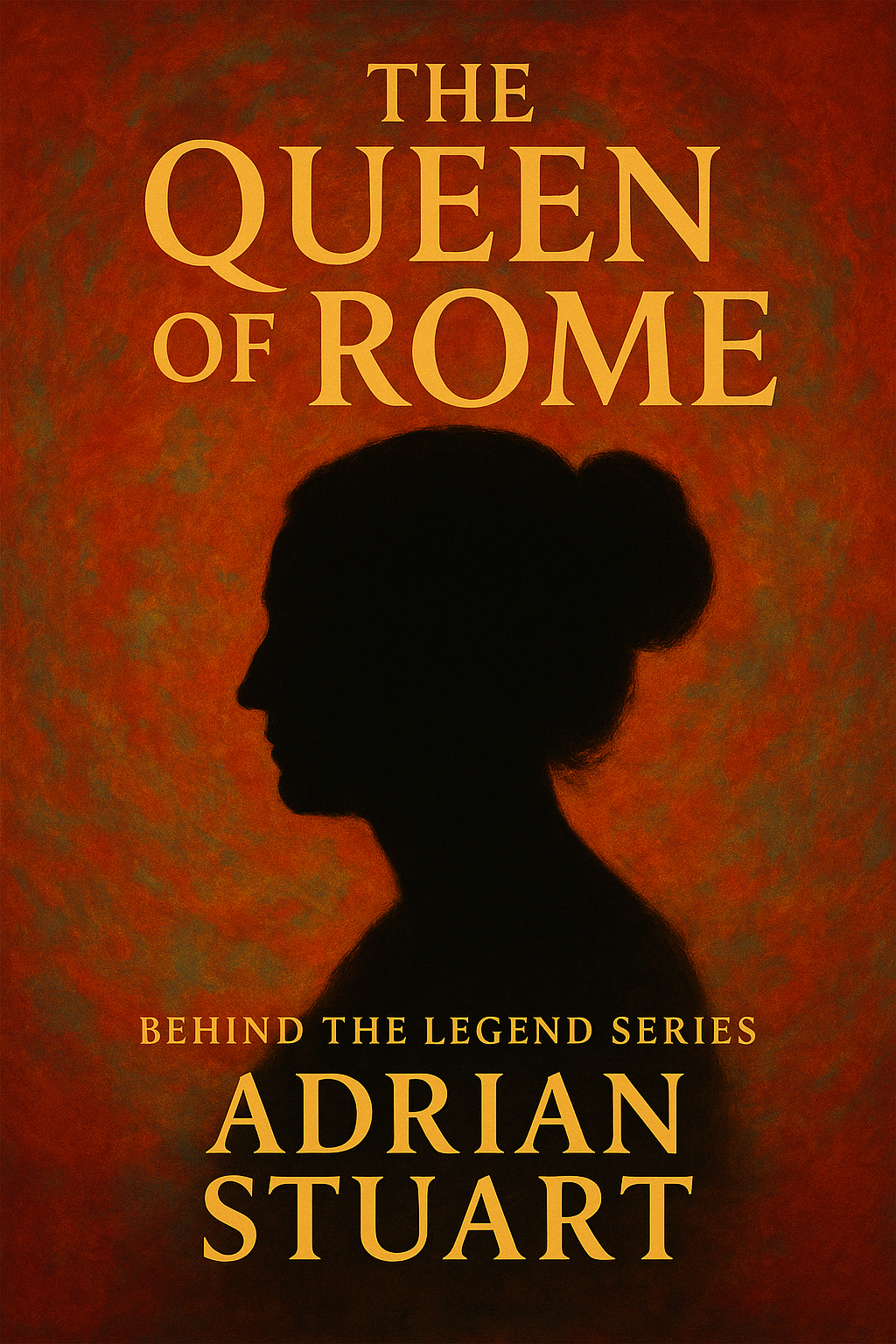
THE QUEEN OF ROME
Behind the Pope stood the one person he could not defy.
Olimpia Maidalchini steered the papal court with a precision that unsettled her rivals. Official records kept her at the edge of the page, yet the decisions that shaped Innocent X’s rule lead back to her. Letters, accounts, and contemporary testimony reveal a woman who understood how Rome worked and used that knowledge with quiet effectiveness. Her influence appears in the pattern of appointments, in the flow of money through the Pamphilj network, and in the disputes that suddenly stalled when she intervened. Those who tried to remove her found that she could read the politics of the city more clearly than they could. Her presence is felt most strongly in the moments where the papacy shifted direction without explanation—moments that make sense only when her hand is considered.
BEHIND THE LEGEND: BOOK 3
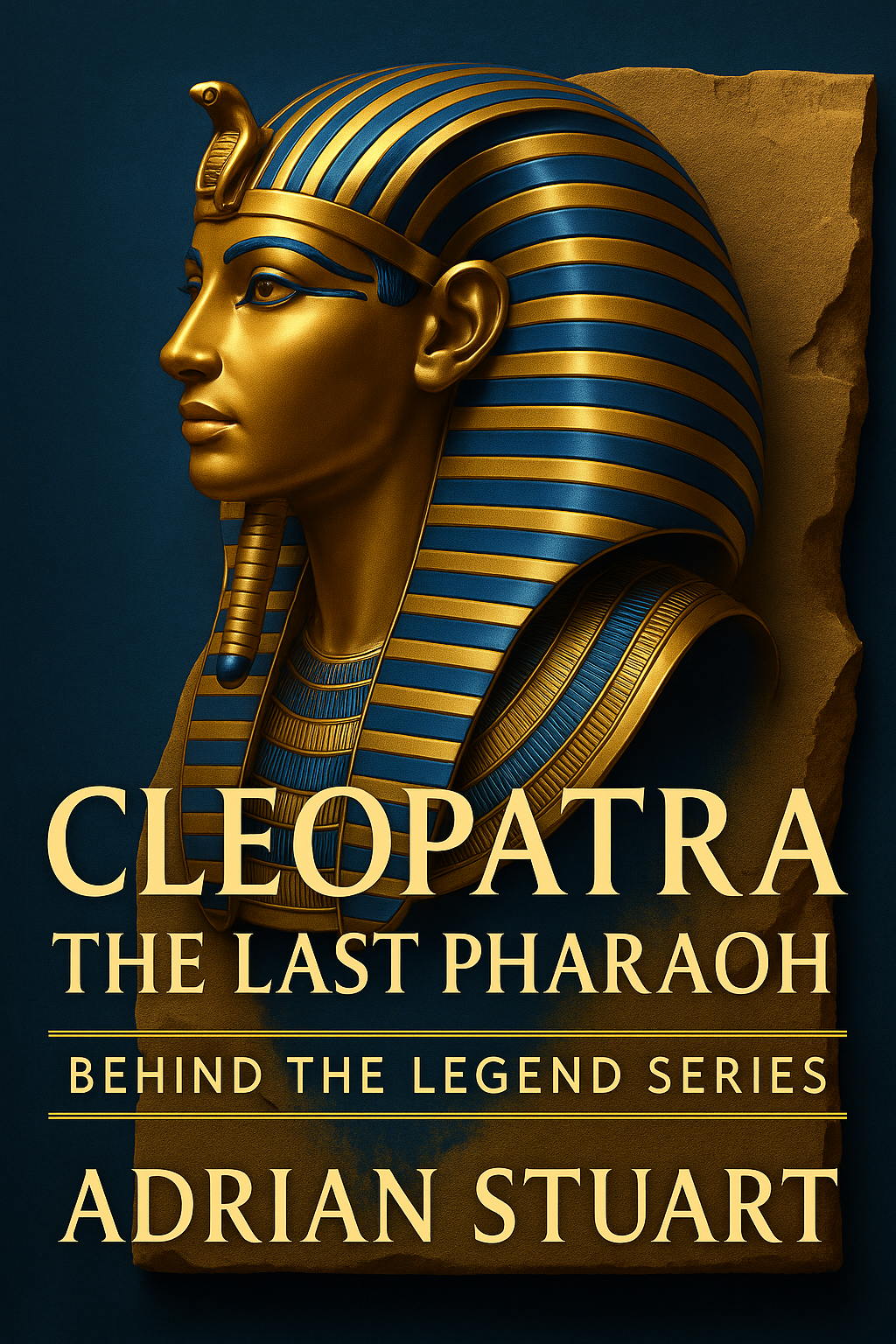
Cleopatra: The Last Pharaoh
Her reign ended in defeat, but her legacy refused to disappear.
Cleopatra’s image passed through centuries of Roman commentary, often written long after her death. The fragments that come from Egypt tell a different story: a monarch working to keep her dynasty alive while Roman generals treated the eastern Mediterranean as their personal arena.
Administrative records, diplomatic exchanges, and inscriptions reveal a ruler who used every tool available to hold her position in a landscape she did not control. Her decisions become clearer when viewed alongside the pressure placed on Egypt’s borders, the instability inside her own court, and the shifting loyalties of those who claimed to support her.
The evidence shows a woman who adjusted to threat after threat, who negotiated when force was impossible, and who understood that survival required more than military strength. Her legacy sits in the gap between how Rome chose to describe her and how the surviving documents record her actions.