Narrative Historical Nonfiction

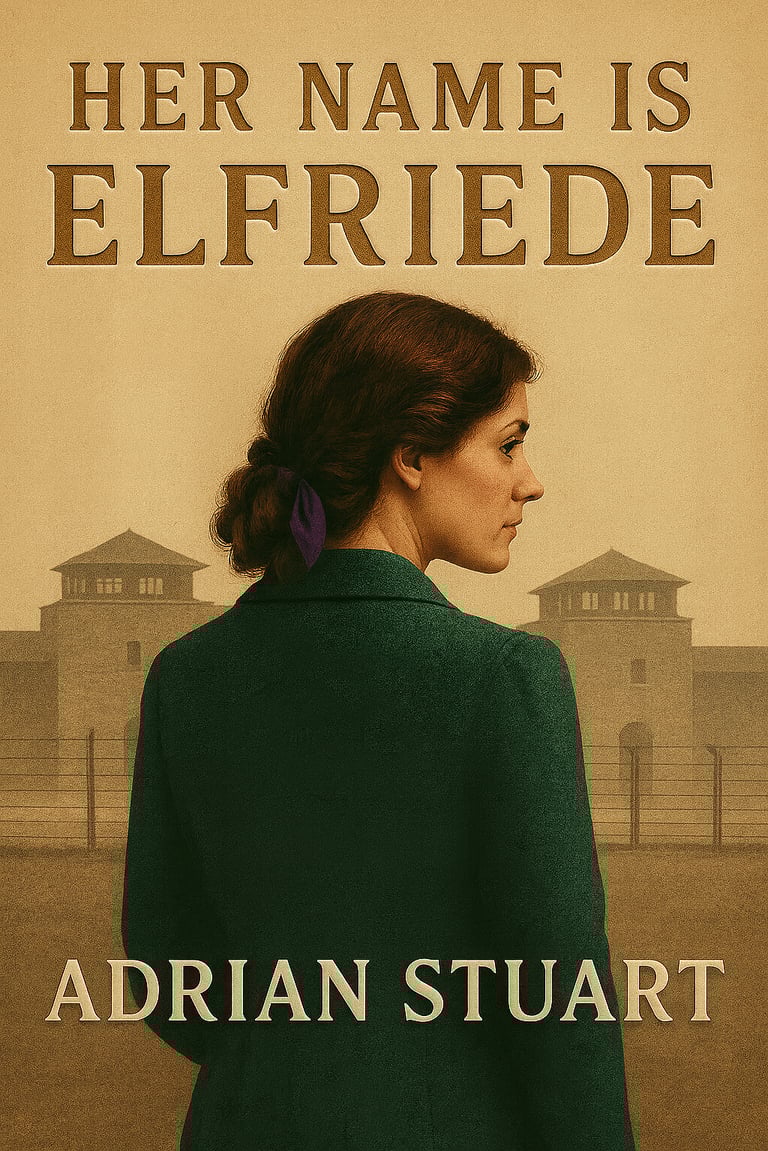
Her Name is Elfriede
Based on a True Story of Quiet Resistance and Survival in Wartime Austria
In 1938, Austria was annexed into Hitler’s Third Reich. What followed was a flood of flags and slogans, denunciations and silence. Most Austrians accepted their fate; some collaborated. A few quietly resisted.
Josef Mayerhofer was one of those few.
A tradesman living in Steirmark, Josef refused to serve the Nazi regime or cooperate with its forced labour system. For this, he was arrested (probably by a local Gestapo unit) in August 1944 and sent to the Mauthausen concentration camp as a 'politisch Unzuverlässiger' — a politically unreliable person.
Only after his arrest and his transportation to Mauthausen did Maria realise she had just become pregnant. Their child, unbeknownst to Josef, would be born just a day before his liberation — a life beginning as his own nearly ended.
Her Name is Elfriede is a work of narrative historical nonfiction, drawn from Josef’s own postwar writings and anchored in real dates, locations, and testimony. It is not a novel — but it reads like one. Quietly devastating, stripped of excess, this is the story of a man who resisted with refusal.
Courage is not always loud. It is the decision to act when many stay silent.
“What can the man of good will do to combat this deeply rooted prejudice? He must have the courage to set an example by words and deed…” — Albert Einstein
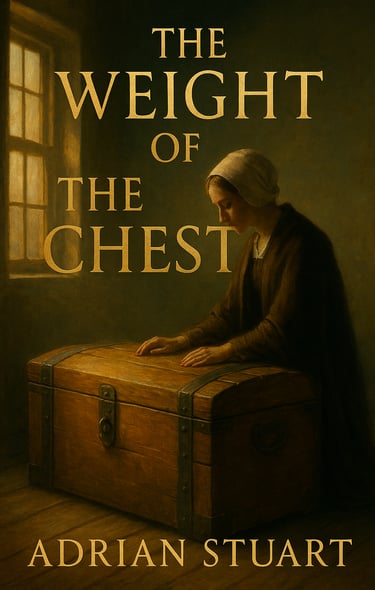
The Weight of the Chest
In a fortress built for silence, one woman dared to think aloud.
Holland, 1621. When jurist and philosopher Hugo Grotius is condemned to lifelong confinement in Loevestein Castle, it is his wife, Maria van Reigersberch, who negotiates the right to live by his side. But Maria is not there to watch history pass them by.
With quiet conviction and extraordinary nerve, she begins to test the limits of what a woman can carry — and what a simple chest can conceal. Under the noses of guards and governors, she lays the groundwork for a future no one dared imagine.
The Weight of the Chest is a literary tale of strategy, love, and one woman’s defiance within the walls of power. Maria’s courage not only reshaped her family’s fate, but helped ensure her husband’s voice — and his radical ideas on freedom, justice, and international law — would go on to shape the laws of Europe.
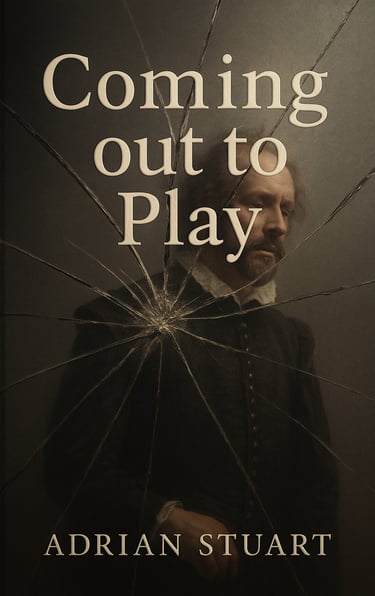
Coming out to Play
Coming Out to Play is a narrative history of people who used performance—on stage and in disguise, in courtyards and cells—to speak when speech was forbidden. From Kentucky’s Shakespeare Behind Bars to whispered Antigone on Robben Island; from Parisian prisons during the Terror to a nameless boy who watched the Templars fall; from Casanova’s roof-crawl under the Doge’s Palace to Noor Inayat Khan’s SOE cover in occupied Paris—the book follows real events, real witnesses, and the ways theatre, masquerade, song and ritual kept identity alive under pressure.
Structured in six themed parts, the chapters move from “Theatres of Confinement” and “Masks and Masquerades” through “Stages of Rebellion” and “Carnival or Revolt” to sections on "Coded Acts" and "Children’s Play"—where skipping rhymes and schoolyard games preserve histories more stubbornly than official records. There is no invention here: each story is grounded in testimony, archives and contemporary accounts, written for a general reader in clean, immersive prose.
The thread running through the book is simple: when power asks questions in public, resistance often answers in performance—sometimes as spectacle, more often as a quiet, disciplined act. Coming Out to Play asks what changes when people step into view, and what survives when the curtain falls.
“Give a man a mask and he will tell you the truth.” – Oscar Wilde